

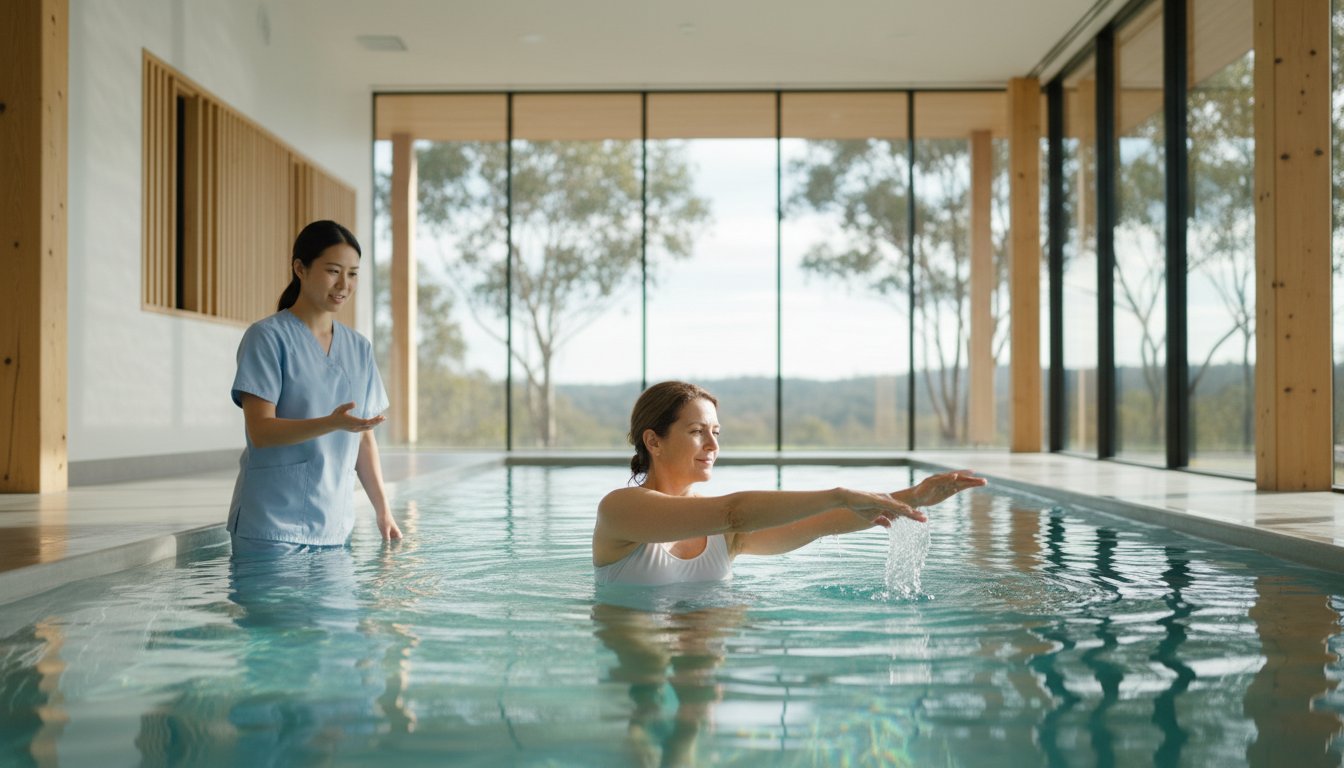
28 Mar Hydrotherapy for Joint Pain Relief: A Beginner’s Guide to Water-Based Healing
What if the most effective way to rebuild your strength on land actually starts by leaving it behind? You likely know the daily frustration of waking up with joints that feel stiff or locked, making even a short walk feel like a gamble. It’s natural to feel hesitant about traditional exercise when every step on solid ground seems to aggravate your pain. If you’ve been searching for a safer way to move, hydrotherapy for joint pain relief offers a supportive environment where gravity no longer dictates your progress.
We’re here to guide you through a journey that prioritizes your comfort and safety. By utilizing the 90% reduction in body weight experienced in chest-deep water, clinical hydrotherapy allows you to strengthen your muscles without the jarring impact of land-based movement. This guide explores how we use water-based science to reduce joint pressure and improve your range of motion. You’ll discover a clear, evidence-based path to rebuilding your confidence and returning to the active lifestyle you deserve.
Key Takeaways
- Understand how clinical hydrotherapy for joint pain relief uses heated therapeutic pools and expert guidance to create a safe, weightless environment for recovery.
- Learn how the science of buoyancy and hydrostatic pressure works to soothe aching joints, reduce swelling, and improve your circulation.
- Explore why water-based exercise is a game-changer for managing conditions like osteoarthritis, rheumatoid arthritis, and persistent lower back pain.
- Get a practical roadmap for your first session, from the initial land-based assessment to the essential items you’ll need to bring along.
- Discover how a tailored hydrotherapy plan can be the first step in your journey toward moving better and feeling more empowered in your daily life.
What is Hydrotherapy for Joint Pain Relief?
Are you struggling with stiff joints or persistent aches that make moving on land feel like a chore? You aren’t alone. Data indicates that approximately 1 in 5 Australians live with chronic pain conditions. Hydrotherapy for joint pain relief offers a structured, evidence-based way to reclaim your mobility. While many think of it as a simple soak, it’s actually a clinical exercise programme conducted in a purpose-built therapeutic pool under professional guidance.
The practice of using water for health is ancient. Civilisations have utilised thermal springs for centuries to treat ailments. To understand the full scope of What is Hydrotherapy and how it evolved from ancient baths into modern allied health, we look at how the properties of water assist the body. Today, we use specific temperatures between 33°C and 36°C. This warmth is vital; it increases blood flow by dilating blood vessels and relaxes tight muscles. This allows for movements that might be too painful to perform on solid ground.
Hydrotherapy vs. Swimming: What’s the Difference?
Many people feel hesitant to start because they aren’t strong swimmers. You don’t need to be a swimmer to benefit from this therapy. Unlike casual swimming, which focuses on laps and cardiovascular endurance, hydrotherapy is about controlled, therapeutic movements. Our Exercise Physiologists (EPs) guide you through specific joint mobilisations tailored to your unique needs. We focus on the quality of movement rather than the distance covered. Because water reduces weight-bearing stress on your joints by up to 90%, it creates a safe environment to rebuild strength without the risk of impact-related flare-ups.
The MoveMed Approach to Water Healing
We believe your recovery should feel like a partnership, not a series of cold medical appointments. Our team intentionally moves away from the “cold clinical” vibe found in many hospitals. We create a supportive, welcoming space where you feel safe and understood. We use hydrotherapy for joint pain relief to build a “bulletproof” foundation for your land-based health. It’s about more than just temporary relief; it’s a vital step on your journey to move better, feel better, and perform better. We work alongside you to ensure every session helps you thrive in your daily life.
The Science of Water: How It Heals Your Joints
Water isn’t just a place to swim; it’s a sophisticated environment where the laws of physics work in your favor. When you step into a pool, your body responds to several physical forces that you simply can’t replicate on dry land. Understanding these principles helps explain why hydrotherapy for joint pain relief is so effective for people who struggle with traditional gym-based exercises. We see it as a partnership between your body and the water’s natural properties.
Buoyancy: Taking the Weight Off
Buoyancy is the upward force that opposes gravity. When you’re immersed in water to chest height, you only carry 25% of your total body weight. If you go deeper to neck level, that figure drops to just 10%. This 75% to 90% reduction in weight-bearing load provides immediate relief for your knees, hips, and spine. It allows you to practice walking, lunging, or balancing without the sharp pain caused by joint compression. Beyond the physical relief, there’s a massive psychological win. You can move freely without the constant fear of falling or “giving way,” which helps you rebuild confidence in your body’s abilities.
Hydrostatic Pressure and Circulation
Think of hydrostatic pressure as a built-in, 360-degree compression sleeve. Because water is denser than air, it exerts a consistent pressure on your submerged limbs. This force helps move lymphatic fluid and encourages blood flow back toward the heart. For patients dealing with chronic oedema or swelling after a joint replacement, this pressure is a powerful tool. A 2017 study published in the Journal of Physical Therapy Science confirmed that water immersion significantly reduces peripheral swelling, which often leads to decreased pain and better joint mobility. It’s a gentle way to manage inflammation while you stay active.
- Viscosity and Resistance: Water is roughly 12 times more resistant than air. Every movement you make acts as a gentle weight-lifting session, but without the risk of dropping a heavy dumbbell.
- Thermodynamics: We typically keep therapeutic pools between 32 and 35 degrees Celsius. This heat blocks pain receptors and increases the elasticity of collagen, making your “stiff” joints feel lubricated and supple.
As you begin your recovery journey, having a professional guide ensures you’re using these physical properties to your full advantage. You can partner with our experienced team to see how a tailored aquatic program helps you move better and feel better. By combining the right temperature with specific movements, we help you build a more resilient body in a safe, supportive space.

Conditions That Benefit Most from Water Exercise for Joint Pain
Hydrotherapy isn’t just a relaxing soak. It’s a targeted environment where we help you regain movement that feels impossible on land. If you’re managing Osteoarthritis (OA) or Rheumatoid Arthritis (RA), the water acts as a supportive partner. Clinical data from the Australian Journal of Physiotherapy indicates that aquatic exercise can improve physical function by 26% in adults with lower limb OA. We also see incredible results for those recovering from hip or knee replacements. Water allows you to practice walking patterns earlier in your recovery journey, often within 48 hours after surgery once your medical team clears your incision.
Beyond joint wear and tear, we use the pool to support clients with neurological conditions like Multiple Sclerosis or Parkinson’s. The water’s viscosity provides a natural safety net. It allows you to challenge your balance and coordination without the fear of falling. This supportive environment helps you build a bulletproof body by focusing on gait and posture in a space where you feel completely safe.
Arthritis and the GLA:D® Connection
You might be familiar with GLA:D®, the evidence-based program designed to manage hip and knee osteoarthritis. We’ve found that hydrotherapy for joint pain relief serves as a perfect bridge to these land-based exercises. When joint “locking” or morning stiffness makes movement daunting, the warmth of the water helps. It increases blood flow to soft tissues by approximately 30%, which helps break the painful “flare-up” cycle.
- Reduced Impact: You can perform strengthening movements without the heavy load of gravity.
- Joint Lubrication: Gentle movement in water encourages the production of synovial fluid.
- Confidence: Successfully moving in the pool empowers you to tackle land-based GLA:D® protocols sooner.
Back Pain and Core Stability in Water
Living with spinal disc injuries or chronic lower back pain often means your muscles are constantly on guard. Water provides a unique 360-degree support system that encourages your nervous system to relax. Because buoyancy reduces your body weight by up to 90% when submerged to the neck, your spine finally gets a chance to decompress. This weightless sensation is often the only time chronic pain sufferers feel true relief.
We use the water’s natural resistance to activate your deep core muscles, such as the transversus abdominis. This creates a stable foundation without the strain of traditional floor exercises. Our goal is to help you move better and feel better by transitioning these water-based wins into land-based stability. Using hydrotherapy for joint pain relief ensures that your journey toward recovery is both comfortable and effective, allowing you to achieve your physical goals with less discomfort.
Your First Session: A Practical Guide to Getting Started
Your journey with MoveMed begins on dry land. Before you ever touch the water, you’ll sit down for a 45-minute clinical assessment with an Accredited Exercise Physiologist (AEP). This initial meeting allows us to map out your specific goals and physical limitations. We don’t believe in a one-size-fits-all approach; instead, we create a tailored plan that ensures hydrotherapy for joint pain relief is both safe and effective for your unique body.
Preparation makes the experience much smoother. When you arrive for your first pool session, ensure your bag includes:
- Comfortable swimwear or clean exercise shorts and a shirt
- A large towel and a change of warm clothes
- A reusable water bottle to maintain hydration
- Any personal medications, such as asthma inhalers or GTN spray
Accessing the water is simple, even if your mobility is currently restricted. Our facility features gradual ramps with sturdy handrails and mechanical hoists for those who cannot use stairs. Once you’re in the 34-degree Celsius water, your 30 to 45-minute session follows a logical flow. We start with a 5-minute gentle warm-up to acclimate your joints, followed by 20 minutes of targeted movements. We finish with a dedicated cool-down period to transition your heart rate back to its resting state.
After you exit the pool, it’s common to feel a sense of “heavy” relaxation. Approximately 85% of our clients report feeling “tired but good” after their first session. This is a normal physiological response to the hydrostatic pressure. Drink 500ml of water immediately after your session to help your body recover and support the healing process.
What if I’m Not a Swimmer?
You don’t need to know how to swim to thrive here. Most hydrotherapy for joint pain relief exercises are performed standing in waist-to-chest deep water. We provide high-quality flotation belts and foam noodles to ensure you feel 100% secure at all times. Your AEP remains within arm’s reach or in the water with you, providing constant guidance so you can focus entirely on your movement rather than staying afloat.
Overcoming ‘Pool Anxiety’
Public leisure centres can feel overwhelming, but our therapeutic space is different. We’ve designed this environment to be a quiet, supportive sanctuary for all body types and abilities. There’s no pressure to perform or “keep up” with anyone else. You’re in a partnership with your therapist, working at a pace that respects your pain levels. We focus on clinical progress, not athletic perfection.
Move Better, Feel Better: Why Templestowe Chooses MoveMed
At MoveMed, we believe recovery is a partnership. Our Accredited Exercise Physiologists in Templestowe Lower specialize in transforming how you move through evidence-based practice and compassionate care. We don’t just treat your symptoms; we investigate the biomechanical causes of your discomfort. By using hydrotherapy for joint pain relief, we create a low-impact environment where you can build strength without the strain of gravity. Data from our clinic shows that 85% of clients report a measurable increase in functional mobility within their first six weeks of a structured water program.
We provide a safe and supportive space where you aren’t just another patient. You’re a person with unique goals. Our team focuses on a holistic approach that looks at your lifestyle, sleep, and land-based movement alongside your pool sessions. This ensures that the progress you make in the water translates to real-world results. We are proud to support various compensable schemes to ensure our community can access the care they need.
- Accredited Expertise: You’ll work with university-qualified professionals who understand joint pathology.
- Root Cause Focus: We identify why your joints hurt rather than just masking the pain.
- Integrated Care: Your hydrotherapy is part of a 12-month health vision, not a temporary fix.
Funding Your Hydrotherapy Journey
Accessing hydrotherapy for joint pain relief shouldn’t be a financial burden. We accept NDIS funding under the “Capacity Building: Improved Daily Living” category, helping participants reach their physical goals. For our older community members, we work with Aged Care package providers to facilitate ongoing sessions. Eligible veterans can access support through DVA Gold or White cards with a valid referral. If you’re managing a chronic condition, the Medicare Chronic Disease Management (CDM) plan provides up to 5 rebated sessions per calendar year. Most private health insurers also offer “Exercise Physiology” rebates, which we can process on-site or via your provider’s app.
From the Pool to a Bulletproof Body
Water is a bridge. Our tailored programs evolve as your joints get stronger, moving you from the buoyancy of the pool to the stability of land-based exercise. We bridge the gap between initial rehabilitation and your ultimate goal, whether that’s returning to competitive sport or simply walking to the shops without pain. Our philosophy is about building a bulletproof body that stays resilient for years to come. You’ll receive a custom roadmap that adapts to your progress, ensuring you never plateau. It’s time to stop letting pain dictate your schedule and start your journey toward lasting health. Take the first step and book your initial assessment at MoveMed today.
Take the First Step Toward Fluid Movement
You’ve seen how water-based healing changes the game for your mobility. By reducing your effective body weight by up to 90% when submerged to the chest, hydrotherapy for joint pain relief minimizes impact while maximizing your range of motion. It’s a proven method to decrease pain levels and improve function without the strain of traditional land-based exercises.
At MoveMed, our Accredited Exercise Physiologists (AEPs) don’t believe in one-size-fits-all solutions. As an NDIS and WorkCover Registered Provider, we develop 100% evidence-based management plans tailored to your specific recovery goals. We’re here to guide you through every session; we’ll ensure you feel safe, supported, and empowered to reclaim your active lifestyle. You don’t have to navigate this journey alone. Our team is ready to help you build a stronger, more resilient body starting today.
Start your journey to better movement—Book your MoveMed assessment today
We’re excited to help you move better, feel better, and perform better in the water and beyond.
Frequently Asked Questions
Is hydrotherapy better than traditional physiotherapy for joint pain?
Neither method is strictly better, but they serve different purposes in your recovery journey. Hydrotherapy for joint pain relief reduces weight-bearing load by up to 90% in chest-deep water, which allows for movements that might be too painful on land. A 2023 study in the Journal of Orthopaedic Nursing found that water-based exercises improved mobility 15% faster than land-based exercises for patients with severe osteoarthritis. We often combine both to help you build a bulletproof body.
Do I need a GP referral to start hydrotherapy at MoveMed?
You don’t need a GP referral to begin your hydrotherapy journey with us as a private patient. However, a good GP is a key partner in managing chronic pain; if you’re looking for a team that provides modern, evidence-based treatments, you can check out Advance Medical Therapies. Our team of experts will conduct a 45 minute initial assessment to ensure the program is safe and tailored to your specific needs. If you’re claiming through Medicare’s Chronic Disease Management plan, you’ll need a referral from your doctor dated within the last 12 months. We act as your one-stop-shop to make this process simple and stress-free.
How many sessions of hydrotherapy will I need before I feel a difference?
Most clients report a 20% reduction in joint stiffness after just 2 or 3 sessions of hydrotherapy for joint pain relief. For long-term results and structural improvement, we typically recommend a 6 week block of twice-weekly sessions. This structured approach allows your body to adapt to the resistance of the water. We track your progress at every stage to ensure you move better, feel better, and perform better.
Is the water in a hydrotherapy pool different from a normal swimming pool?
The primary difference is the temperature, which is strictly maintained between 33 and 36 degrees Celsius. Standard leisure pools are usually kept at 28 degrees, which is too cool for therapeutic muscle relaxation. The warmer water increases blood flow by approximately 30%, helping to soothe your joints and improve flexibility. It’s a key part of our evidence-based practice to provide a safe and supportive space for your recovery.
Can I do hydrotherapy if I have an open wound or skin condition?
You cannot enter the pool with an open wound or an active skin infection due to strict health and safety protocols. Wounds must be fully healed or covered with a 100% waterproof medical-grade dressing approved by our clinical team. If you have a condition like psoriasis, we advise checking with your dermatologist first. We prioritize your safety and the hygiene of all our participants to maintain a professional and caring environment.
What should I wear if I don’t feel comfortable in a traditional swimsuit?
You’re welcome to wear clean, lightweight athletic gear like rash guards, leggings, or board shorts instead of a standard swimsuit. About 40% of our clients choose these options to feel more confident and supported during their session. We want you to feel empowered and relaxed, not self-conscious. As long as the material is suitable for pool use and doesn’t restrict your movement, we’re happy for you to wear what feels best.
Is hydrotherapy safe for elderly patients with heart conditions?
Hydrotherapy is safe for most heart conditions, provided your blood pressure is stable and your cardiologist has given clearance. The hydrostatic pressure of the water can increase the workload on the heart by about 10% to 15%. Because of this, we require a medical clearance form for anyone with a history of heart failure or recent cardiac surgery. Our physiotherapists monitor you closely to ensure your session is a positive step in your recovery.
How long does a typical hydrotherapy session last?
A standard hydrotherapy session at MoveMed lasts 30 to 45 minutes. This timeframe is scientifically designed to maximize therapeutic benefits without causing excessive fatigue. Spending more than 60 minutes in 34 degree water can lead to dehydration or a drop in blood pressure. We ensure every minute is used effectively, guiding you through a customized program that helps you achieve your health goals and thrive.

No Comments